Sector Perspective
Sector pressure points where customs, trade controls and governance collide.
The sector view is not decorative. It clarifies where the risk surface changes across aerospace, industrial manufacturing, regulated goods, infrastructure and cross-border operating models.
Why sectors matter here
Sector pages only add value if they explain how the control environment changes in practice. Customs, sanctions, origin, valuation and documentation pressure do not behave the same way in aerospace, industrial manufacturing, pharma or project cargo.
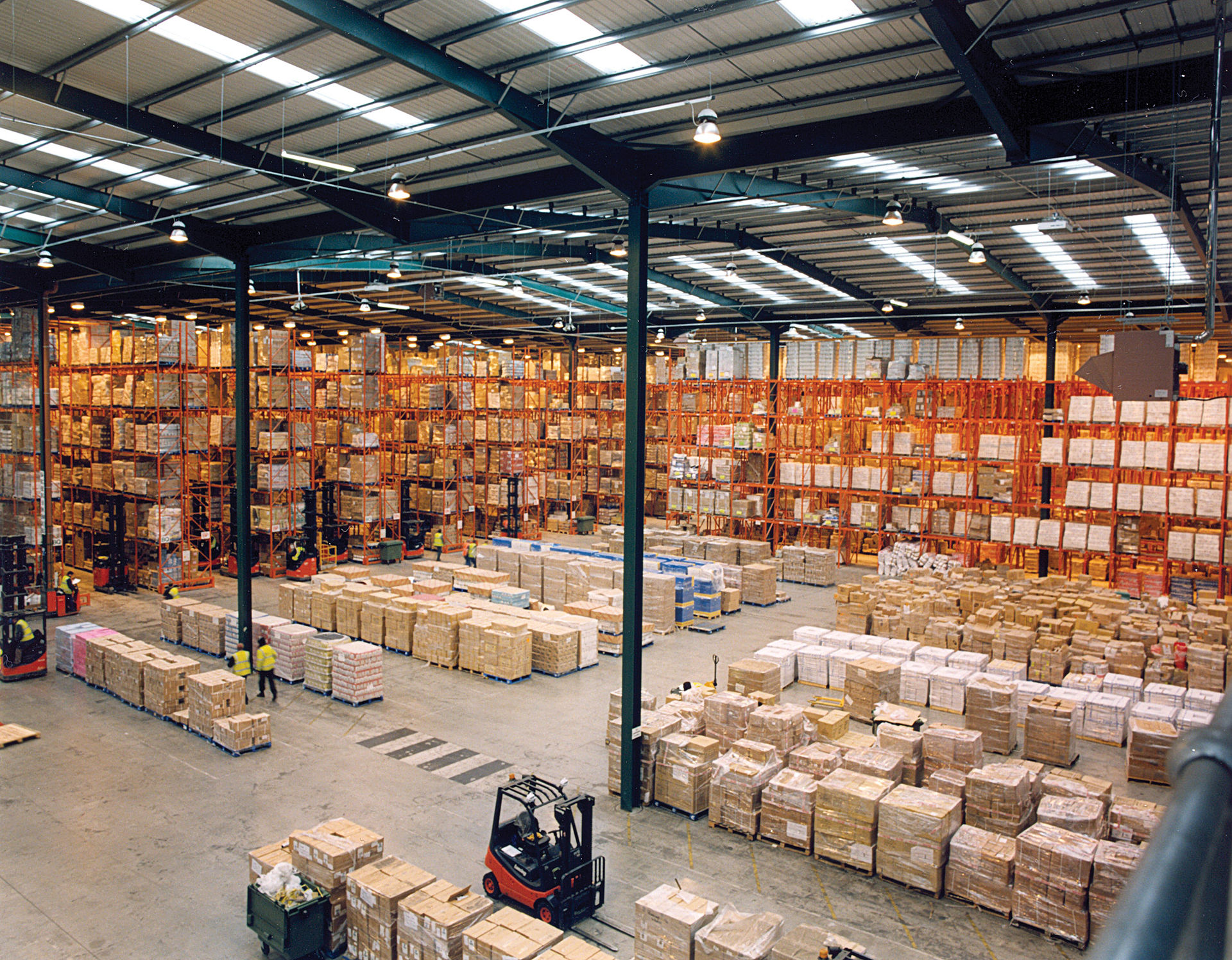
Different sectors fail at different interfaces.
The point of the page is not to decorate the site with industries. It is to show where customs, controls, route logic and evidence quality actually change by sector.
Aerospace and defence
Release documents, repair loops, dual-use exposure, special procedures and AOG timelines create a risk profile where technical correctness and speed must coexist. That requires stronger evidence retention, clearer procedure design and tighter handoffs between engineering, operations, broker and compliance teams.
- special procedures and repair-return logic
- export-control sensitivity and end-use discipline
- document traceability for time-critical movements
Industrial manufacturing and OEM supply chains
In industrial environments the declaration is often the visible end of a longer chain of upstream decisions. BOM structure, supplier evidence, tariff engineering, transfer-pricing effects and origin qualification all affect the final customs position. The governance task is to keep those threads aligned before shipment pressure turns them into disputes.
- origin traceability and supplier declarations
- classification consistency across product families
- valuation and finance-adjacent adjustments
Pharma, MedTech and controlled goods
These sectors require more than routine customs processing because documentary integrity, licensing logic, health-document interfaces and chain-of-custody expectations are tighter. The practical challenge is often not one regulation in isolation, but the need to keep multiple control layers consistent under time pressure.
- documentary consistency across customs and product-control layers
- sensitive lanes with lower tolerance for data error
- escalation discipline where release is time critical
Energy, infrastructure and project cargo
Project environments intensify every weakness in operating design. Large-value equipment, fragmented counterparties, corridor-specific documentation and non-standard sequences create a setting in which customs, controls and logistics governance need to be planned as one operating model rather than patched together after the fact.
- non-standard flows with high documentary burden
- multi-party accountability and escalation
- risk control across long planning horizons
Retail, consumer and corridor-driven trade
High-volume, lower-margin environments are vulnerable to repeated small failures: origin assumptions that do not hold, inconsistent SKU classification, broker instructions that drift over time, or sanctions screening that becomes a box-tick rather than a genuine control. The result is margin leakage, friction and recurrent exception handling.
- repeatability and data consistency at scale
- broker instruction discipline and change control
- origin, valuation and screening governance under volume pressure
UK-EU corridor and post-Brexit operating models
The UK-EU corridor remains structurally important because customs process, origin, VAT, controls and operational ownership continue to intersect. The recurring problem is not simply border friction. It is whether internal teams, brokers, suppliers and finance functions are operating from the same logic when the corridor becomes stressed.
- corridor design and role clarity
- origin and valuation effects across changing trade patterns
- evidence and audit posture for repeat cross-border activity
What clients usually need by sector
Sector-specific support rarely means a different law for every page. It usually means a different operating context: more technical data, more urgent releases, more sensitive goods, more stakeholder interfaces or more finance interaction. The role of the site is therefore to show where the pressure shifts, so the conversation can start from actual exposure rather than a generic service list.
Why the sector lens is useful commercially
A good sector page helps clients recognize their own problem earlier. It shows that the work is not just about declarations or isolated legal rules, but about how those rules behave inside a real business model, a real corridor and a real evidence chain. That is why the sector view remains on the site and is not reduced to decorative marketing copy.
| Sector | Pressure pattern | Typical technical layer |
|---|---|---|
| Aerospace and defence | Time-critical release, repair loops, controlled goods and multi-team escalation. | Special procedures, export controls, end-use logic and document traceability. |
| Industrial manufacturing | Repeated flows where upstream product, origin and finance logic quietly shape the border outcome. | BOM traceability, classification consistency, origin engineering and valuation/TP adjacency. |
| Controlled or regulated goods | Low tolerance for documentary weakness and higher consequences when a data point drifts. | Documentary governance, licensing logic, product-control interfaces and audit-ready evidence. |
| Project cargo / infrastructure | Multi-party ownership, non-standard sequences and corridor-specific document burdens. | Operating model design, valuation logic, customs planning and escalation architecture. |
Targeting logic
The public targeting stays commercially open. The site is not narrowed to one or two sectors, but it makes the strongest fit clearer where customs, finance, operations and compliance are tightly intertwined or where UK-EU exposure creates recurring structural friction.
Why this matters for positioning
A sector-aware site helps buyers recognise themselves faster. It shows where CSA Nexus is strongest without pretending that the public perimeter is closed to other regulated or cross-border businesses facing comparable pressure patterns.
| Sector mandate format | When it usually starts | How the commercial logic reads |
|---|---|---|
| Sector diagnostic | When a buyer needs a first read on whether the recurring problem is really customs, product data, origin, controls, documentation or route design. | Usually a bounded first step that helps the client avoid launching a broader sector programme around the wrong root cause. |
| Sector remediation project | When the sector pressure pattern is already visible enough to justify redesign of controls, evidence packs, corridor logic or operating ownership. | Usually project-based, because the value comes from reducing repeated friction and strengthening repeatability in a live sector context. |
| Recurring sector support | When the same industrial, aerospace, controlled-goods or project-cargo pressure returns often enough to require ongoing judgement and escalation. | Usually recurring or hybrid, especially where the business needs continuity of seniority without building a large permanent structure immediately. |